EREBORA · Subscription platform
All-in-one vehicle
rental software.
Automated WhatsApp sales agent. Automatic bookings, staff jobs, maintenance reminders and bookkeeping.
rental.erebora.orgOpen website
Loading website…
Engineer & businessman
I build software and run businesses.
EREBORA · Subscription platform
Automated WhatsApp sales agent. Automatic bookings, staff jobs, maintenance reminders and bookkeeping.
Ops Agent · Works through WhatsApp
Connects your business tools and automates messages, documents and follow-ups through WhatsApp.
MANTIS · Windows + Android
I built MANTIS to control Codex, Claude and my computer from my phone.
My first PC was an old computer my grandma gave our family. It was painfully slow. We didn't have much money, so I made a deal with my dad: if he bought me RAM to speed it up, I'd edit his videos for him.
Good trade for an eight-year-old.
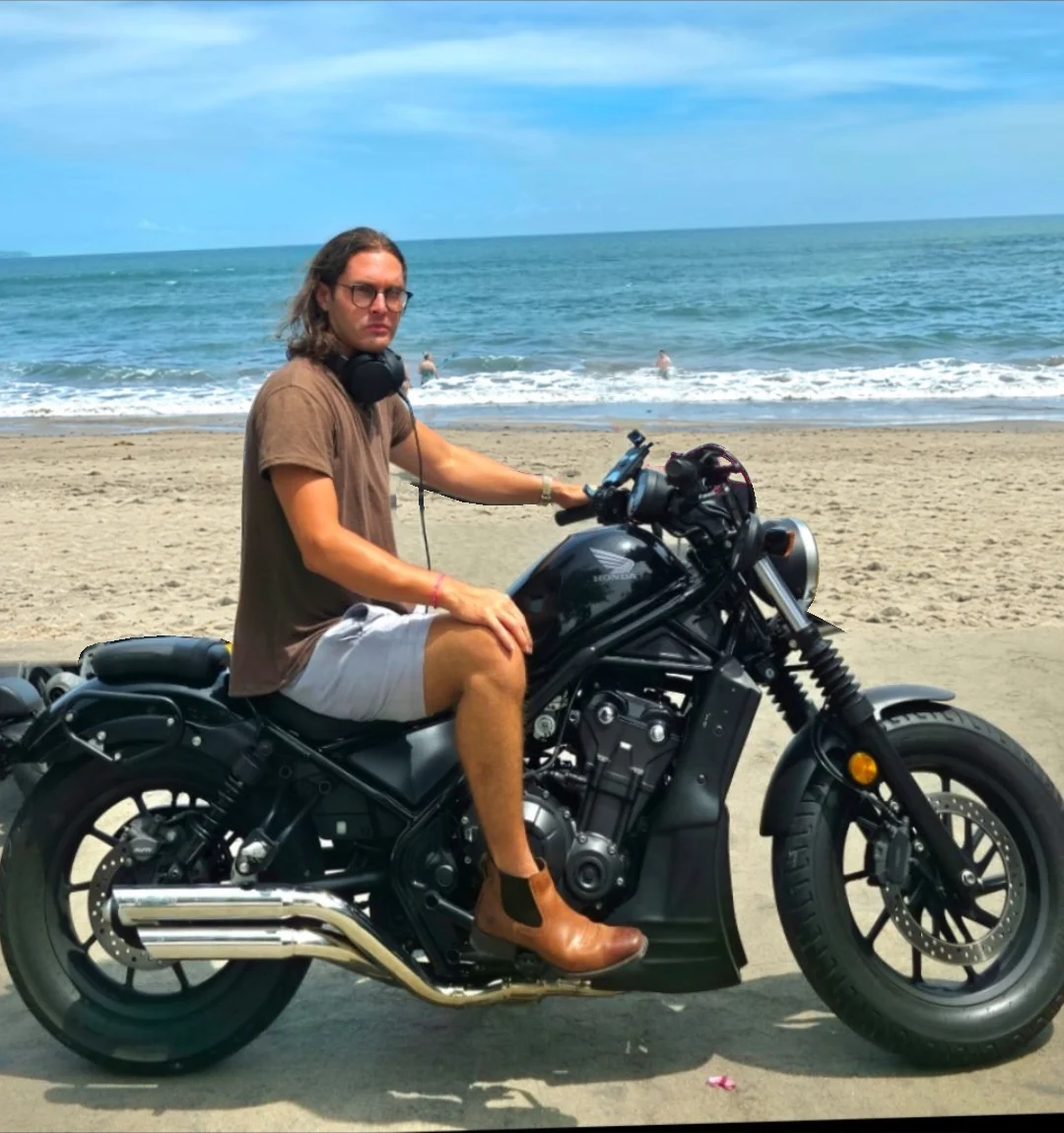
That computer got me hooked. My first game was Total Annihilation: Kingdoms, a strategy game. Then I started exploring other software and learning how the computer worked.
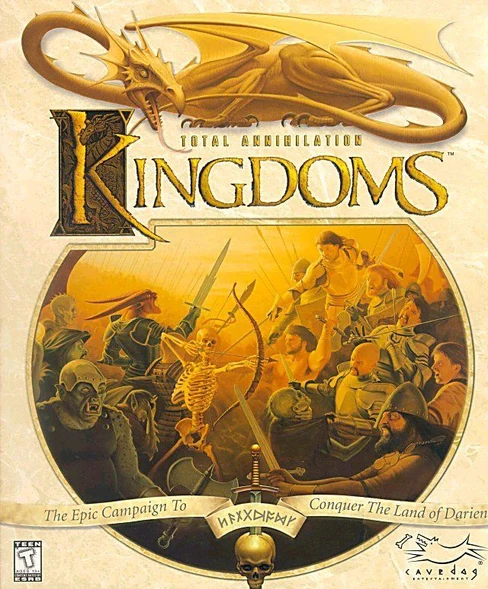
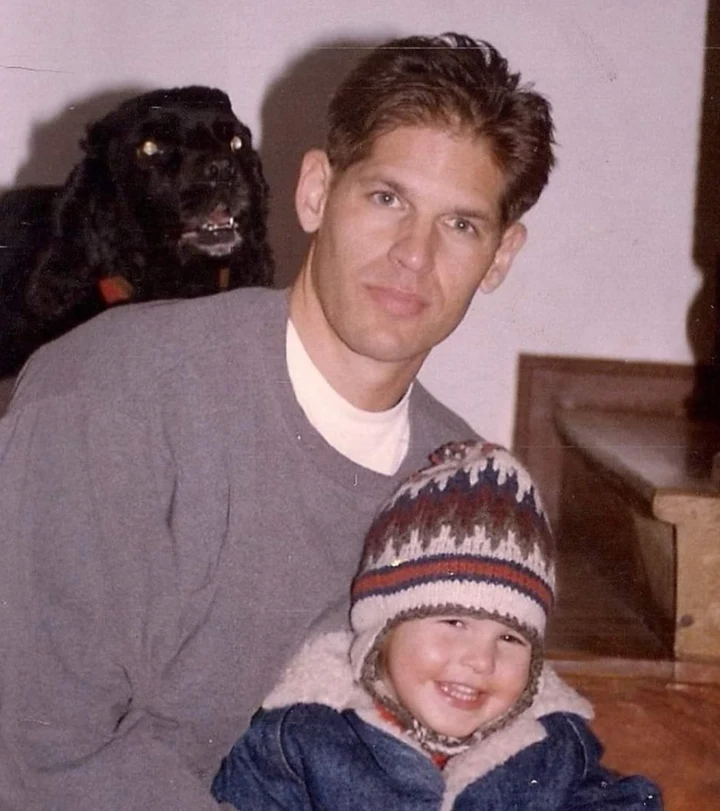
I grew up in Austin, Texas, in a lower-middle-class family. My dad was a college professor and preacher. My mom was a homemaker and my homeschool teacher.

I was the oldest, with one younger sister and two younger brothers. I took care of everyone.
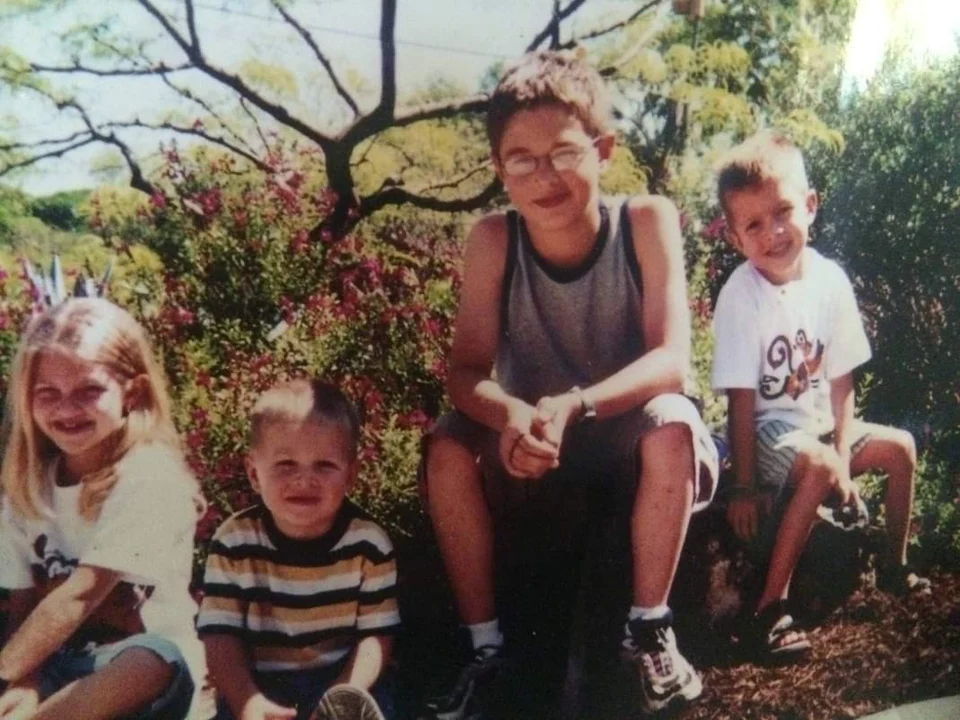
I was really lucky to have my curiosity encouraged. My mom homeschooled me until seventh grade. I’d finish my schoolwork in a couple of hours, then spend the rest of the day playing and tinkering. She’d ask people at church if they had old electronics I could take apart to learn how they worked. I was reverse engineering from six years old.
Instead of pushing me to be something I wasn’t or making me conform to a school curriculum with subpar teachers, she encouraged my natural curiosity. She didn’t teach me how to learn. She let me learn how to teach myself, on curiosity alone.
Some people have had that curiosity beaten out of them by school. Others learn because they feel they should. My competitive advantage is that I actually enjoy learning and striving, the things other people have to force themselves to do. I have my mom and dad to thank for that. It’s something I appreciate very much.
I wanted to understand how things worked, and I was quick to pick up patterns. By age seven, I was soldering circuit boards and reading circuitry books.
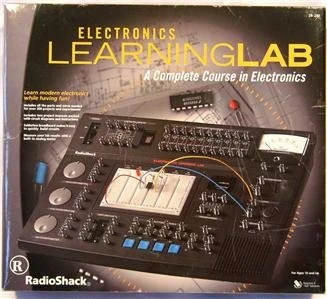
My favorite store was RadioShack. That probably tells you what kind of kid I was.
My dad always said, “You just need to invent something.” Looking back now, I can see what a big impression that made on me. I always wanted to find a way to provide for everyone and give them what we didn't have growing up.
My dad worked with what he knew and believed was the best way. I saw firsthand the limits of working a job for a paycheck. Learning to sell a product or service and operate a business was the real way out.
Like the saying goes, “A smart man learns from his mistakes, but a genius learns from others.”
My dad's glory days of sports and college put a spell on me too. We were an athletic family, and I wanted a taste of it for myself.
So in seventh grade, I gave up the freedom to follow my curiosity at home and went to public school. I wanted the typical public school experience and the glory of sports competition.
And I was interested in girls. Not much of a dating pool in homeschool. Not that they would have been good for my productivity...
I didn't really know what to expect. I'd do push-ups at night in my bed, anticipating the fierce competition.
Football started the summer before school. It was strenuous and a completely new experience, but lo and behold, I surprised myself. I was one of the top athletes. The coaches quickly took a liking to me, mainly because of my effort.
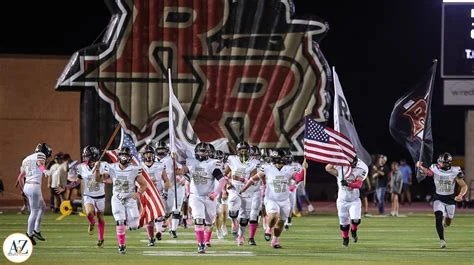
I was what you could call a tryhard. Still am. Whatever I do, I do it fully and completely. Why only give it 50% anyway? Says a tryhard...
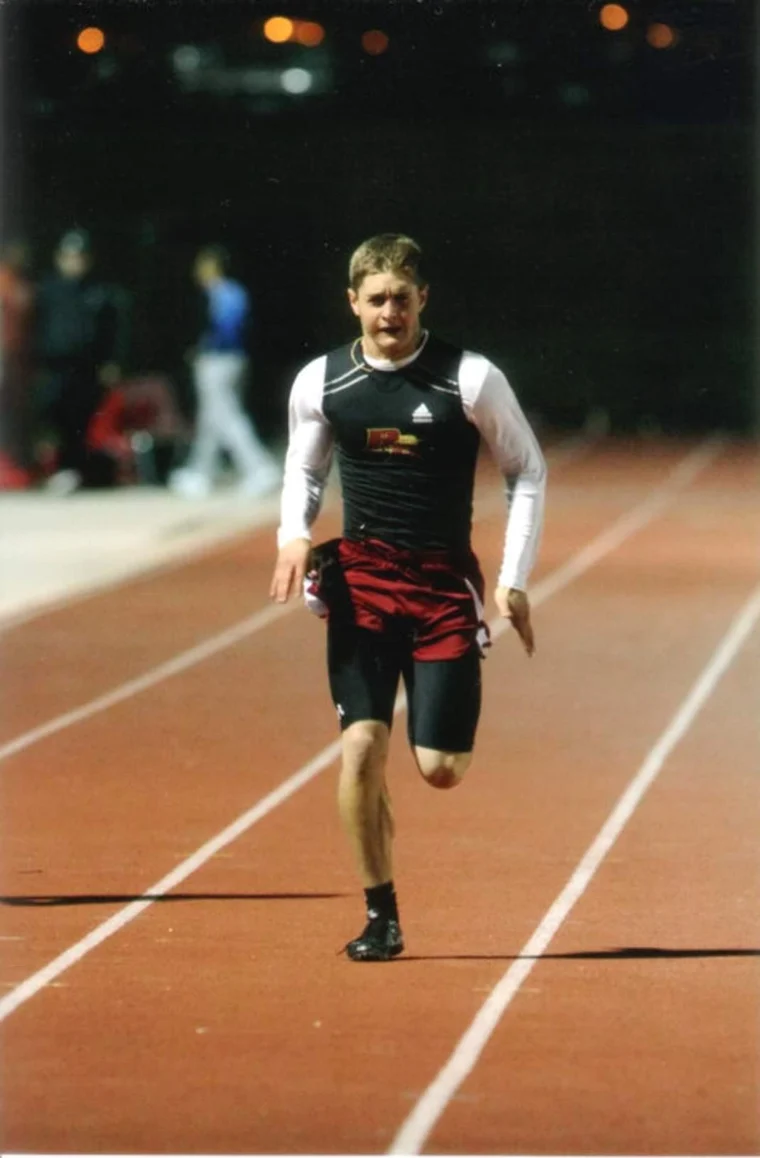
I was good at track, football, and basketball, and competed until college. I had fun and learned discipline. But I always found more joy and meaning in building something than just playing a game. A healthy body is a healthy mind, so I still play sports to this day. It's just not my main focus.
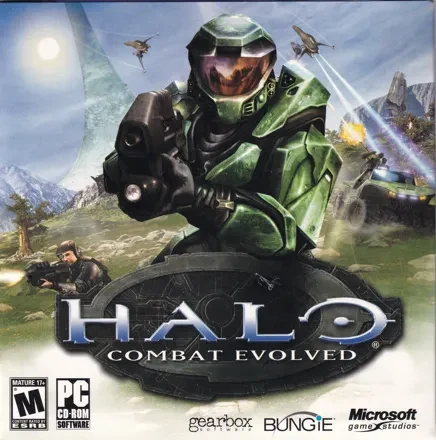
Video games were another place I liked to compete. I used to play competitive first-person shooters like Battlefield. But playing was only part of what interested me. I got into modifying games like Halo: Combat Evolved by guessing hex values. Then I started experimenting with building plugins for games. I also started editing 3D models in Blender.
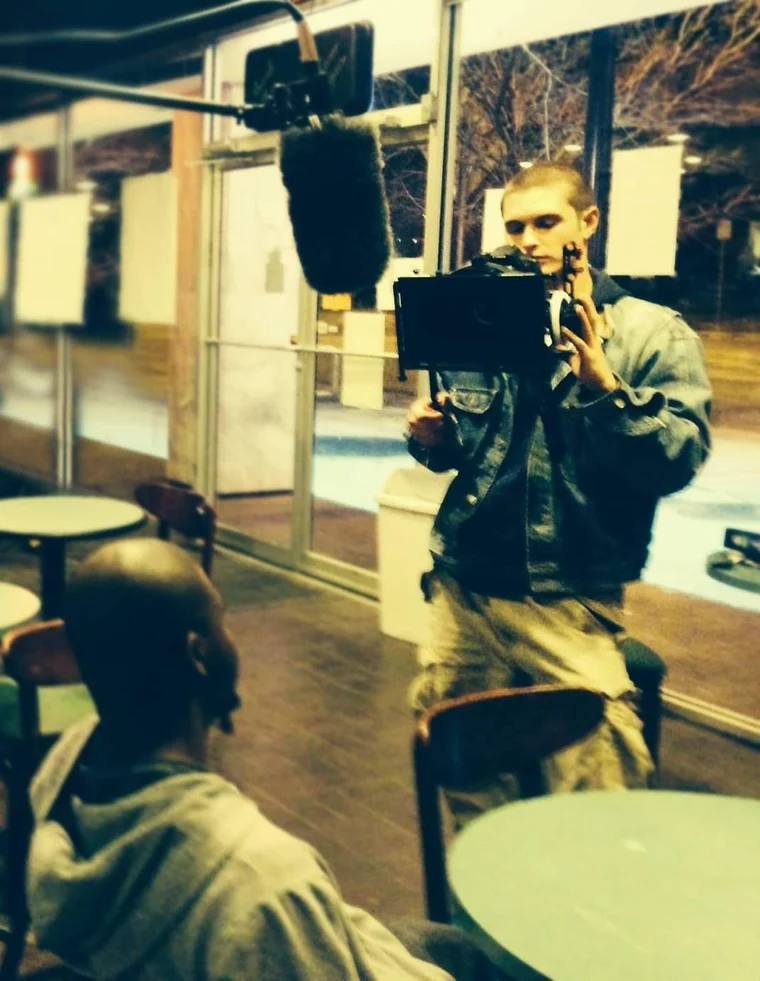
That interest in computers and making things carried into college, where I studied computer science and cinematography. I love good films, and I love making short films myself.
Music goes back even further. I've played piano since I was five and produced thousands of songs over the years. More by ear than sheet music.
Making music also gave me a reason to build websites. I wanted to sell my own sound sample packs, so I designed the product, the landing pages, and the sales funnels: how someone would discover the sounds, understand what they could do with them, and decide to buy. I was learning how to build something and get it into someone else's hands.
Then I started learning Python, which led me to C. Exploring C and C++ took me deeper into how software works. A whole new world opened up when I saw how much could be made. I could see a problem and start thinking through how to build the tool to solve it.
I still wanted a way to provide more than a paycheck could. I was looking for a vehicle to build a lot of wealth, quickly. What better way than sales?
A friend told me that before anyone starts a business, they should sell cars, or sell something face to face. Learn human psychology and the art of sales. So that's what I did.
I moved to Kansas to sell vehicles at one of the largest dealerships in the country. I wanted to learn in the wolf's den.
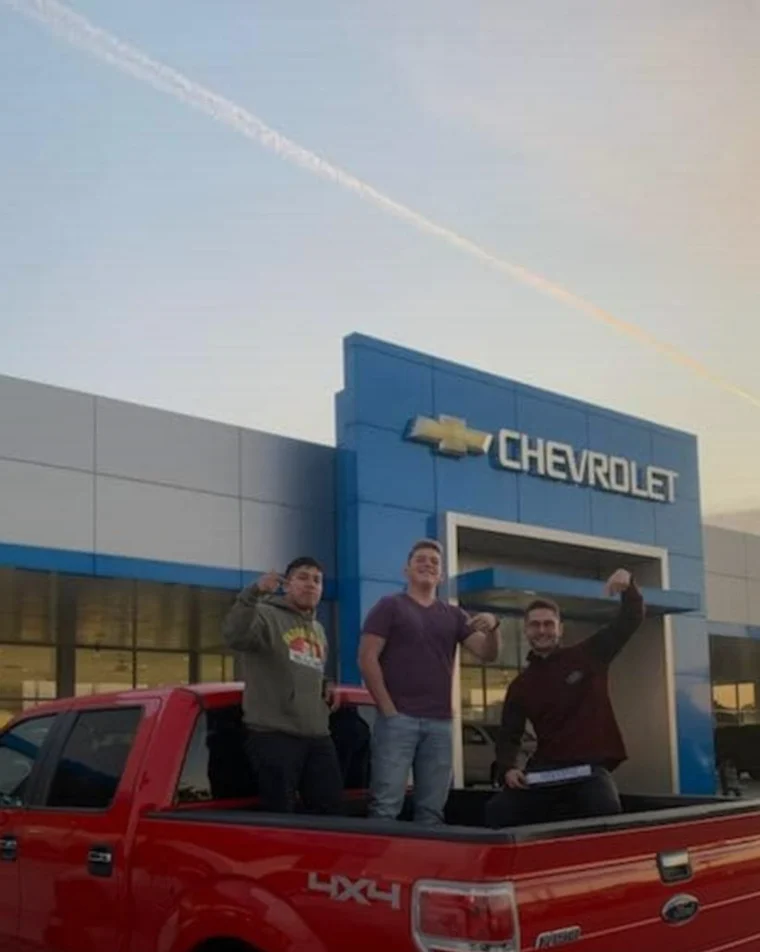
Turns out it was a lot harder than I was sold. The first thing they tried to do was get me to quit. They gave me no leads. If I wanted to sell a car, I had to catch someone in the parking lot looking at one. At first, I hated it.
After three months of grueling effort with nothing to show for it, it finally dawned on me: I needed to forget everything I'd been told, relax, and actually help people.
That meant getting to know the human in front of me. Instead of starting with what car they wanted, I'd ask what was going on in their life. What brought them in that day?
Someone might know they wanted a different car without really knowing why, or what they were hoping to feel. Sometimes they hadn't worked that out themselves. Talking about their life helped me understand what they were actually after, and helped them see it too.
Say a guy tells me he's getting divorced. As we talk, maybe it becomes clear he's going through a midlife crisis, unhappy with where his life is and looking for some excitement. A sports car could give him that thrill, something to look forward to and a distraction from what he's going through. Knowing that changes how I help him find the right car.
Someone else might have a car that's always breaking down. They're tired of worrying whether it'll start or leave them stranded. They want to feel safe and secure. A dependable car gives them relief: they can get where they need to go without that worry hanging over them.
I wasn't going to understand either person by only asking what car they wanted. Getting to know them showed me what kind of emotional service I was providing. Excitement and a distraction for one person. Safety, security, and peace of mind for another. Then I could help them find a car that gave them the feeling they were looking for.
Leading with value was part of that. “Can I help you?” was what everyone said. I learned to show people something they didn't know about the vehicle they were looking at. Once I understood what mattered to them, I could explain why that detail mattered in their life. They could see I was actually helping them, and trust came easily. Once I had that trust, selling was easy.
Those couple of years were my first step in learning the customer side of business. It took a lot more effort and persistence than I'd expected. I learned to listen, understand what people actually wanted, and communicate how I could help. That lesson would follow me into everything else I built: understand the person well enough to know which problem is worth solving.
On the admin side, I used an old-school CRM to keep track of customers. That taught me how the software works, including all the annoying work it still leaves you doing by hand.
That experience later led me to build Ops, an automated CRM that handles the annoying work those older systems didn't. I wouldn't have understood the problems if I hadn't spent two years using them.
My interest in health started early. I watched my dad go from hospital to hospital, seeing doctor after doctor with one problem after another. It seemed like every visit created another problem he needed to see another doctor for. It didn't make sense to me that people had to live that way.
My dad cared about his health because he knew what it was like not to have it. I picked that up early. That got me interested in food, and then in growing my own.
With food from a store, you don't know how it was grown or what was sprayed on it. Just compare a normal grocery-store tomato with a homegrown one. The store-bought one hardly has any taste.
As a kid, I'd grow small gardens here and there. I liked checking on my plants and nurturing them, watching a seed turn into something productive. Nothing too serious. I just wanted to get things to grow and produce.
I revisited it later and found out I was pretty good at it. Plants and agriculture fascinate me. Each plant has its own preferred growing environment. Looking closely at plants and nature's ecosystems taught me a lot about biology and patterns.
In 2022, I started sharing what I knew on TikTok as @soilconnection. It was a place to experiment with marketing: find out what people wanted to learn about growing food, then use what I knew to help them.
Turns out what I'd learned was really valuable to other people, so I stuck with it. The account took off unexpectedly and grew to almost 200k followers.
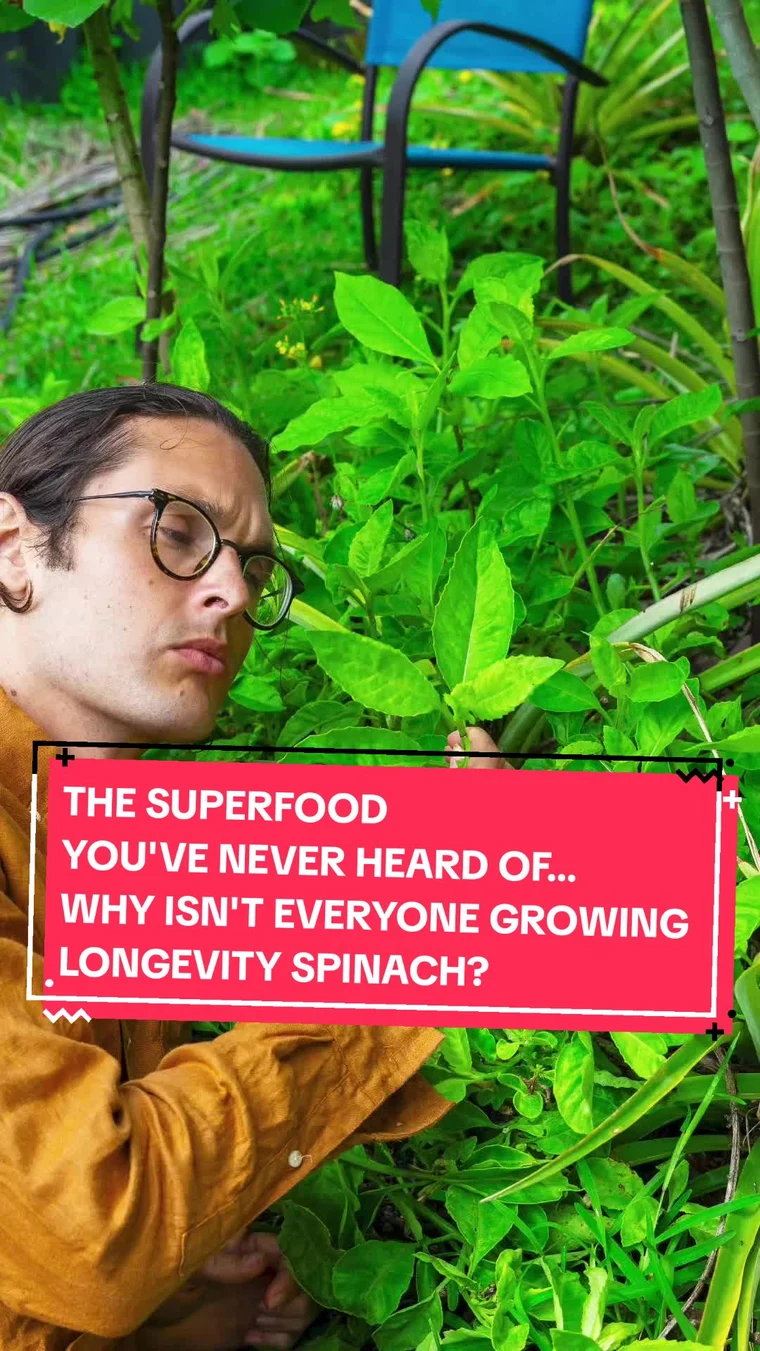
I enjoy teaching what I know well. Having a college professor for a dad and a good homeschool teacher for a mom helped me learn to explain complex ideas in simple ways. I used that when explaining vehicles to customers and when sharing what I knew about plants.
I lived in the mountains of Colorado and really enjoyed it. Except for the long winters. That's where I realized how much I value sunlight and warmth.
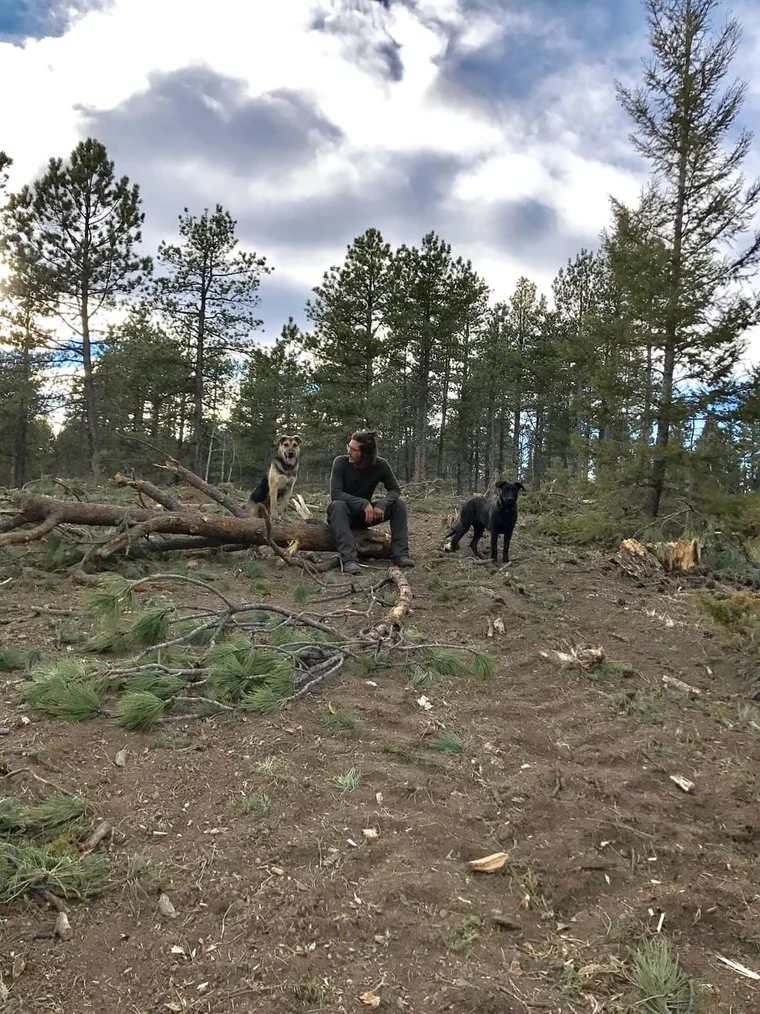
So I moved to Bali for sunlight and warmth all year. I wanted to see the other side of the world and find something new and different. The unique culture, happy people, and community of aspiring entrepreneurs gave me more reasons to love it.
Not to mention my kryptonite: beautiful women.
My love for motorcycles and bike culture also turned into a business here: EREBORA Motorcycle Rentals.
I used to do all the admin myself. Because I'd done that work, I knew what I wanted the software to take off my hands. I used my computer knowledge to build a complete system that automates it, so I can focus on the fun stuff, like showing customers the custom-designed motorcycles.
Then I took it further. I built a subscription platform around that software so other rental businesses could use it too. Their website, AI sales and the operation behind it, all working together.
Building it for myself was one thing. Building it for different companies, with their own brands, teams, customers and ways of working, was a whole different challenge. The same software had to work for all of them while keeping each business's information separate.
I was taking what I'd learned about selling, customers and running a business, and building it into a product someone else could use without me standing there explaining everything.
Currently, I like heavy weight training, running sprints, riding hard, and playing beach volleyball.
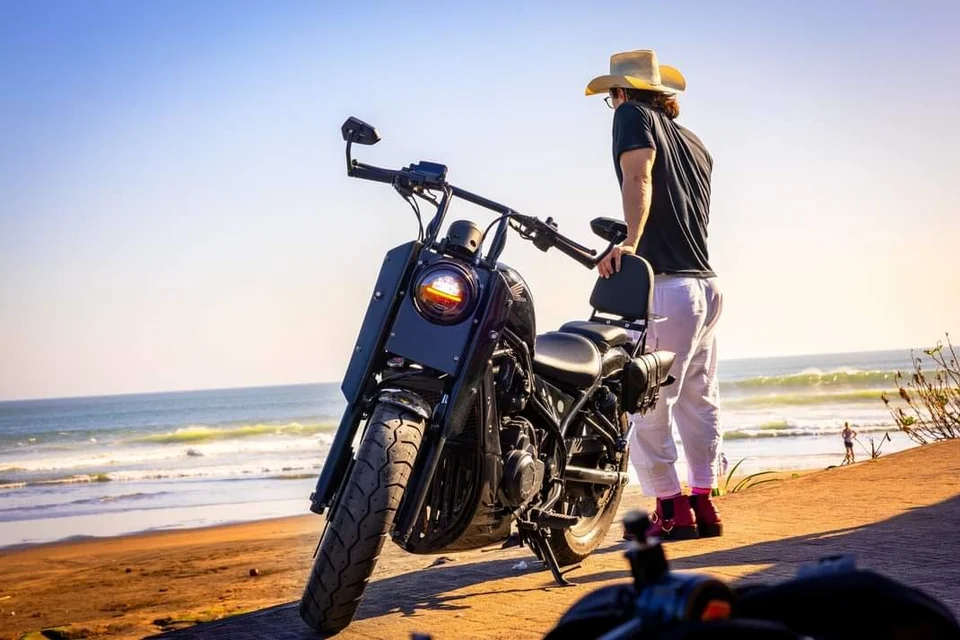
Day to day, I'm mostly a night person, but I can be a morning person. When it comes to food, I'm mostly vegetarian. But fish is very good.
I wanted to build apps, but making anything worthwhile took me so long. As AI got better, I started using it to help me code. It was a slow process at first, but still faster than writing everything manually.
Then I started working with AI agents that could work through coding tasks across a project. Getting them to actually do what I wanted took tremendous trial and error. Most people talk about building with AI agents but have never finished a real project worth talking about.
The truth is, it takes much more effort and control over the workflow to get good, correct work out of them.
So I started building my own workflow. I wrote what I'd learned into my AGENTS.md, the instructions I give the agents about how to work.
Before an agent starts changing things, it needs to understand the actual problem and check that its assumptions match reality. Once it builds something, it needs to test the whole thing the way someone will actually use it. A piece working on its own doesn't mean the finished product works.
And fixing one thing can't mean breaking something that already worked. When something fails, I want the cause understood and the lesson carried forward, so we don't keep paying for the same mistake.
It sounds simple written down. Getting it to happen consistently is where all the trial and error went. Some of that understanding only comes from trying to build something, watching it fail, and staying with it until it works. Nobody can hand you that experience.
As I got faster, I wanted to build faster still. Then I built a remote control for the system so I could direct the work from my phone. That became MANTIS.
Every experience has shaped me and given me a different angle on business. Circuits and biology got me used to looking for relationships: what depends on what, why something works, and what changes when one part changes. That same way of thinking helps me work through code, logical systems, and equations.
The most valuable thing I've learned is the logic behind what I'm doing. Whether I'm working in Python or C++, putting together a page in HTML, or selling something, I need to understand what someone wants, work out what has to happen to provide it, and check whether it actually did. I can carry those principles into whatever I learn next.
AI can help me write the code. It hasn't spent two years using that CRM or done the admin for my rental business. I have. That experience is how I know what's worth building, what the software needs to handle, and when its answer misses the point. That's what I mean by domain experience, and I think it becomes more valuable as AI makes the code easier to produce.
Growing something from seed also shows you the power of compounding and exponential growth, like the financial markets. I see everything as an investment. Whatever I put in, I want to see it grow.
That includes relationships. Trust is the most important thing, and you can't break it. I never understood why people take shortcuts without realizing they'll cost more later. Everything compounds.
You could call me a jack of all trades, master of none. I like the version that adds, “but oftentimes better than a master of one.” Feels fitting, but you can be the judge.
I get bored super fast. I need something challenging. I'm naturally to myself, deep in a project, but with the right people on the right mission, nothing is better. I love working with intelligent people building helpful, interesting things.
The world is changing too fast to tie my identity to one thing. I'd rather understand how someone thinks, how quickly they learn, and what they value. That's how I want us to figure out if we're a good fit for each other.
This is so you can know the person behind the work. After all, the results I get are what matter. Everything else is just good marketing.
I hope you're seeing the pattern with me. And I hope to get to know you.